The Value of Storytelling in Motorsport Photography
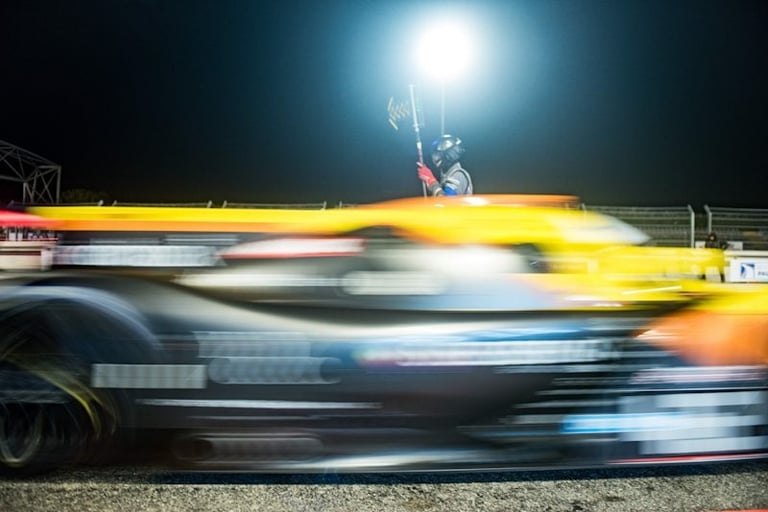
Motorsport photography is often associated with speed, precision, and technical mastery. Capturing a car at full pace, perfectly sharp against a blurred background, remains one of the defining images of racing.
But beyond the track, another dimension exists — one that is less visible, yet equally essential.
This is where storytelling begins.
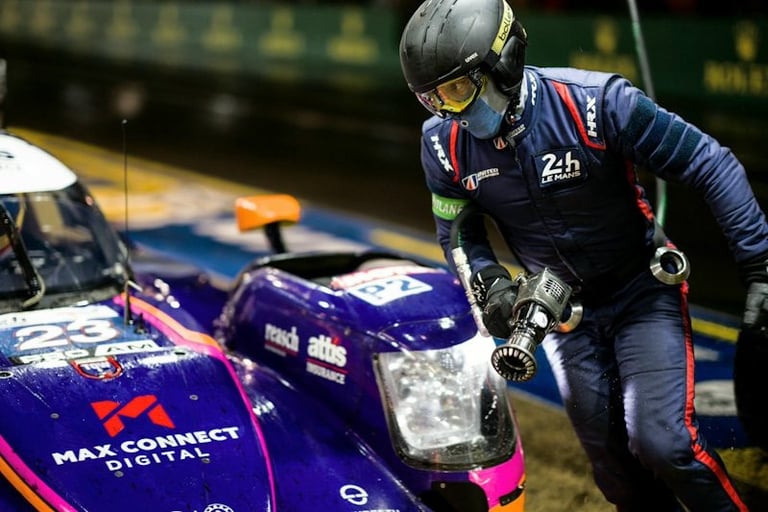
Racing does not only happen on the circuit. It unfolds in the paddock, in the garages, in the quiet moments before and after the action. It lives in the gestures of mechanics, in the focus of drivers, and in the countless details that define the atmosphere of an event.
These elements are rarely the focus of traditional coverage, yet they carry much of the meaning.
Storytelling in motorsport photography is about shifting perspective. It is about moving away from isolated moments and building a narrative through images. Each photograph becomes part of a larger story — one that reflects not only what happens, but how it feels.
This approach requires a different way of working.
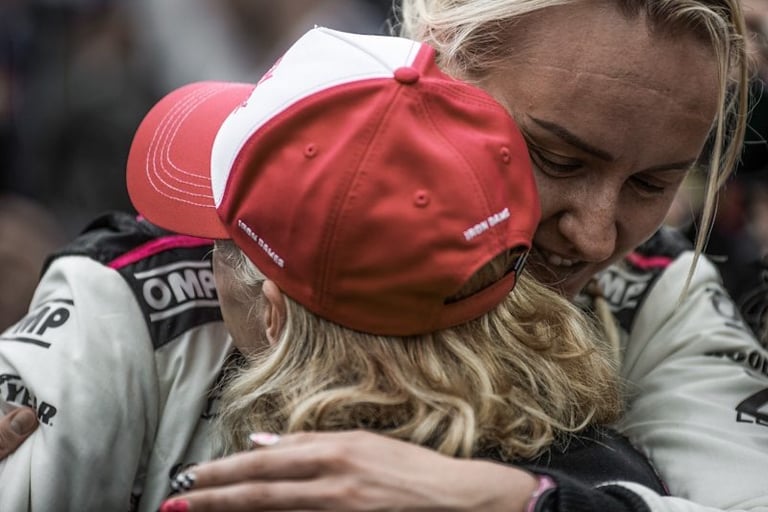
It involves observing rather than chasing, anticipating rather than reacting. It means paying attention to light, composition, and context, but also to human interactions and subtle details. The goal is not only to document, but to interpret.
In this sense, the photographer becomes more than a witness. He becomes a narrator.
This is particularly relevant in events such as historic racing, where the visual identity is deeply tied to heritage. The cars are not just machines — they are artifacts, carrying history and memory. Capturing them requires an understanding of their significance beyond performance.
The same applies to endurance racing, where time plays a central role. The story is not defined by a single moment, but by continuity — day and night, effort and fatigue, tension and release.
In both cases, storytelling transforms images into experiences.
It allows the audience to go beyond the surface, to engage with the sport on a deeper level. It creates a connection that is not only visual, but emotional.
In a media environment saturated with content, this approach becomes increasingly valuable.
Because what makes an image stand out is not only its technical quality, but its ability to convey meaning.
And in motorsport, meaning is everywhere — as long as we choose to look beyond the obvious.